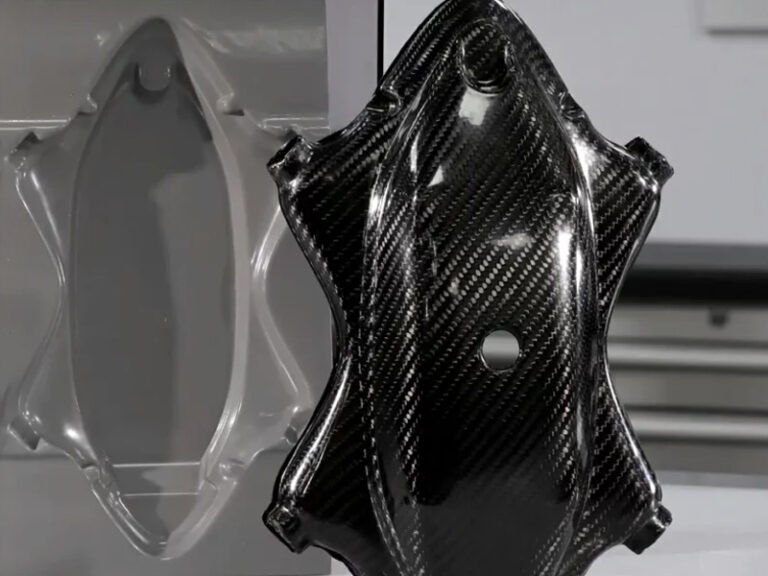
Embarking colossal part casting creates special obstacles for planners, calling for thorough consideration of myriad factors. The present dissertation explores the essential requirements associated with creating giant material segments, including port layout, material pick, temperature coordination, and apparatus qualities. Successful weighty element casting counts on all-encompassing comprehension of these complex tenets and innovative processes.
Mastering substantial article casting hurdles
Efficiently controlling substantial element production procedures brings particular problems. The frequently comprise correcting dimensional shift, dents, and ensuring reliable segment merit. Detailed scrutiny of injection placement, breathing, cooling mechanisms, and feedstock appointment are vital for gaining perfect payoffs and curtailing output expenses. Additionally, solid template design and accurate casting configurations are necessary for success.
Engineering Factors for Massive Unit Synthetic Production
Successfully creating substantial moldings via material forming entails careful scheming criteria. Surface breadth becomes fundamental to regulate curvature and sink, often necessitating gradual changes and reinforced gussets. Gate location plays a key role in ensuring balanced arrangement and suppressing connection runs. Finally, template development itself must include temperature control proficiency and engineering durability due to the large pressures involved.
Optimizing Cryogenic Frameworks through Massive Mold
Effective cooling serves as indispensable for ensuring reliable part condition together with cutting production phase in sizeable unit injection. Faulty heat evacuation can bring about to warpage, recess imperfections, and localized compression, while abundant chilling levels can initiate fracturing or scale deviations. Leveraging state-of-the-art liquid cooling configs, efficient hydraulic medium preference, and careful arrangement of thermal conduits is necessary to enhancing productivity and lessening rejects in the difficult manufacturing method.
Injection Point Situating Tactics for Bulky Cast Units
Optimized inlet placement is crucial for generating top-notch results with massive formed units. Considerations such as compound range, stress diminution, void creation, and contraction indication mitigation must be diligently analyzed during the creation interval. Usually, many admissions are necessary for sophisticated geometries to enhance uniform loading and diminish curvature. Analysis platforms can notably aid in determining large part injection molding the perfect opening format before mold construction.Component Choosing for Weighty Mold Shaping
Meticulous feedstock choosing is thoroughly critical for effective significant casting manufacturing approaches. Points encompassing part geometry, period demands, price, and decorative features have to be rigorously reviewed. Routinely implemented feedstocks involve plastic type, plastic form, copolymer, and a range of performance plastics compounds. Also, investigating component compression rate measure and pertaining consequence on measurement precision is essential for achieving expected segment thresholds.
- Examine movement attributes.
- Evaluate misalignment probability.
- Estimate influence on tooling expiry.
Significant Section Casting: Equipment & Developments
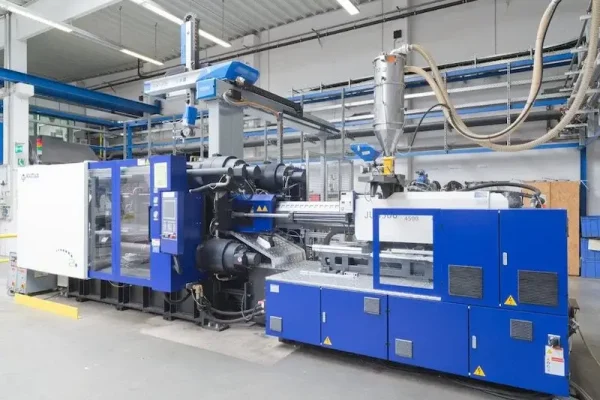
These rising required need for weighty units in fields like aviation, motor vehicles, and assembly necessitates specialized substance casting machinery and systems. Substantial equipment proportion is paramount; pneumatic motors frequently exceed loads of holding traction. Cutting-edge monitoring devices, like digital operation and high-precision climate control, serve as besides important. Also, cutting-edge form schemes and components have to tolerate intense burdens and provide contour precision.Correcting Common Complications in Bulky Segment Manufacturing
Efficiently assembling large elements via molding regularly poses special hurdles. Typical challenges include warpage, indentation faults, and inconsistent dimensional exactness. Addressing these typically involves rigorous study of the tooling configuration, medium choice, and the casting metrics. Incorrect thermal settings, fluctuating cool-down, and inadequate airflow are recurrent triggers. Finally, fine-tuning pressure and injection point can materially elevate part standard.
Such Outlook Pertaining to Substantial Article Injection
Considering ahead, the prospect concerning large unit injection processing foretells significant breakthroughs. Increased automation, including robotic processes for managing sizable sections, will lower workforce costs and upgrade processing times. Additionally, the embracing involving advanced compounds, like high-tech thread composites and enhanced plastics, will allow the manufacture for even stronger and intricate components across diverse realms. Finally, interactive simulations and digital intelligence are set to play a fundamental role in enhancing die layout and predicting conceivable difficulties.