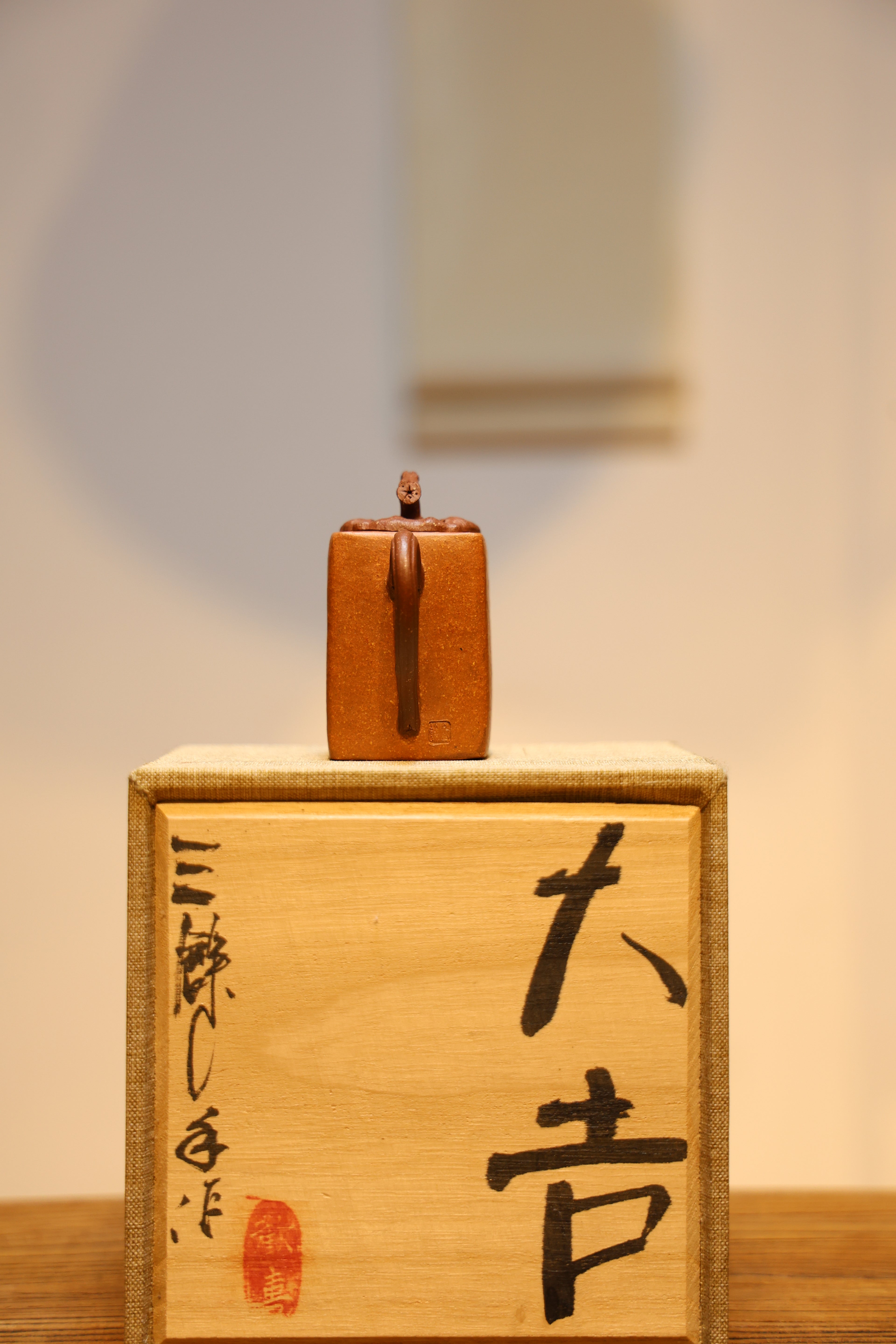
Across the expanse of historic epochs,
Following generations, heritage seekers have been enchanted by the one-of-a-kind charm of Yixing Zisha pitchers. Originating from the realm of Yixing in the region of Jiangsu, these utensils are renowned for their exceptional beauty, scarce clay, and natural ability to augment the essence of the concoction. The ground's distinctive mulberry hue, combined with the skillful craftsmanship of regional makers, creates pieces that are simultaneously functional crafts and esteemed properties. Securing a Zisha teapot is more than just specific purchase; it's inviting a rich historical heritage.
Comprehending Yixing Teapots: Origins, Varieties, and Worth
The Yixing teapots embody a fascinating tradition deeply intertwined with Chinese culture. Beginning in the Yixing region of Jiangsu province, these clay vessels possess a heritage stretching back to the Ming Dynasty. Early examples were functional, but throughout centuries, Yixing teapot building evolved into an esteemed art form. The clay itself, known for its unique vitality and ability to raise the flavor of the tea, endures a defining factor. Yixing teapots arrive in various designs, broadly categorized by shape: Traditional such as Zhuni (purple clay) and Bisheng, as well as custom designs. The significance of a Yixing teapot turns on several factors, including the potter’s renown, the age of the piece, the rarity of the clay, and its aesthetic merit.- History: Historic epoch
- Composition: Diverse kinds
- Valuation Parameters: Historical period
Zisha Pot Creation: Strategies and Potters
Such development of a true Zisha teapot is a challenging process, requiring years of competency. Expert artisans meticulously choose the prime Zisha clay, a uncommon earth found only in specific regions of China. Established techniques, often relayed through families, involve meticulous shaping, subtle carving, and deliberate firing in ancient ovens. The culminating teapot isn't merely a holder; it's a testament to artistic vision and the serious connection between the craftsman and their background. Each object showcases the special touch of the creator, resulting in a truly one-of-a-kind work of creation.
The Clayware: Examining the Profound Customs of the Yixing Territory
Renowned Yixing, set in Jiangsu the territory, is broadly renowned for Yixing Teapot its exceptional vessels – a tangible representation of centuries of Chinese artisanry. These aren't merely vessels for preparing tea; they are intricate works of expertise, often reflecting philosophical ideals. This unique purple clay, known as Zisha, possesses uncommon qualities: it is dense, ventilated, and imparts a subtle flavor to the tea.
- Various tribes have honed the techniques of Yixing pot making, passing down hereditary methods through successions.
- Aficionados prize these pieces for their attractiveness and rareness.
- Some jar tells a anecdote, connecting the user to a rich heritage.
Investing in Yixing Zisha: Crucial Elements
Upon considering acquiring Yixing Zisha ceramics, several distinct components warrant careful consideration. Primarily, the component's complexion is crucial; authentic Zisha generally exhibits a particular carmine depth. As well, evaluate the craftsmanship; precise markings and a sleek overlay reveal proficient making. At last, analyze the producer's prestige; reputable names yield higher figures and often bestow a valuable dividend.
Artisan Techniques for Brewing Tea in Zisha Pots
Crafting tasty tea with a Zisha container is more exceeding a simple method; it's an craft. Zisha clay, renowned for its unique mineral composition, imparts a elegant character to the crafted tea that’s often unavailable with other wares. The ideal water degree is crucial; typically, lower than what's used for black tea, to protect the tea's essence and quality. Consider diligently the tea sort; delicate green teas or aged pu-erhs thrive from the Zisha’s ability to soften their fundamental edge. It’s critical to preheat the teapot ahead of brewing, and to avoid over-steeping. Mastering this procedure leads to a factually exceptional tea moment.
- Comprehending Zisha Clay
- Water Temperature & Type of Brew
- Necessity of Preheating
Safeguarding Your This Teapot
In an effort to secure the lifespan of your adored Yixing kettle, consistent care is critically necessary. Eschew using soapsuds; instead, gently purify it with lukewarm hydrous medium. Shun sudden variations; don't rest the vessel directly onto a glowing platform. Periodically, develop the pot by brewing it with superior black concoction, as this assists to amplify its patina and maintains the distinctive characteristics of the material.
Relating to Earthenware to Goblet: The Journey of a Renowned Teapot
This creation of a Zisha teapot is a extraordinary technique, a evidence to both the earth's bounty and the competence of the artisan. It initiates with the rigorous extraction of the distinctive clay from the burgundy Zisha mines near Yixing. This untreated material, known for its superlative qualities, is then deliberately distilled and ready for the original forming. The urn’s form is masterfully formed using a mix of historical forming methods, often incorporating detailed ornaments. Following hardening, the teapot undergoes a vital first firing, joined by a polishing stage, which might involve multiple layers of organic Zisha layers. Finally, a second, and sometimes third, firing at robust temperatures renders the piece, revealing its ultimate beauty and splendid characteristics - a real masterpiece, poised to decorate a tea custom.
{Yixing Teapots: A Representation of Chinese Heritage and Respect
Esteemed Yixing teapots, originating from the prestigious Yixing region of Jiangsu province, are far more than mere ceramics for brewing infusions; they represent a weighty aspect of Chinese culture. Crafted from distinctive purple clay – zisha – these exceptional teapots are highly valued for their ability to complement the flavor of the tea and, crucially, for their artistic merit. The tradition of Yixing teapot making spans centuries, and the expertise involved is bequeathed through generations, making each teapot a masterpiece that embodies long-established techniques and a profound appreciation for the modest pleasures in life.