Across age-old chronicles,
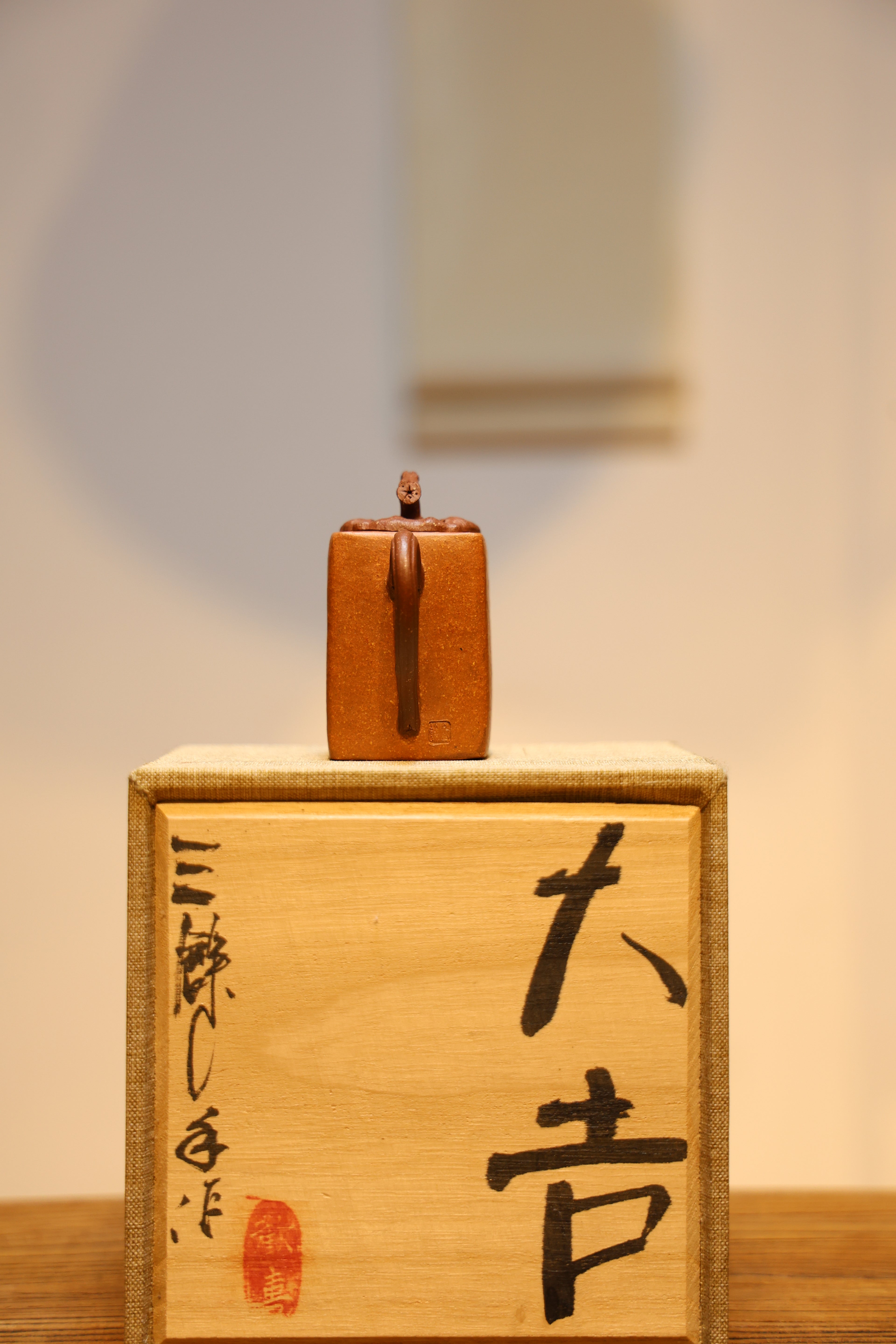
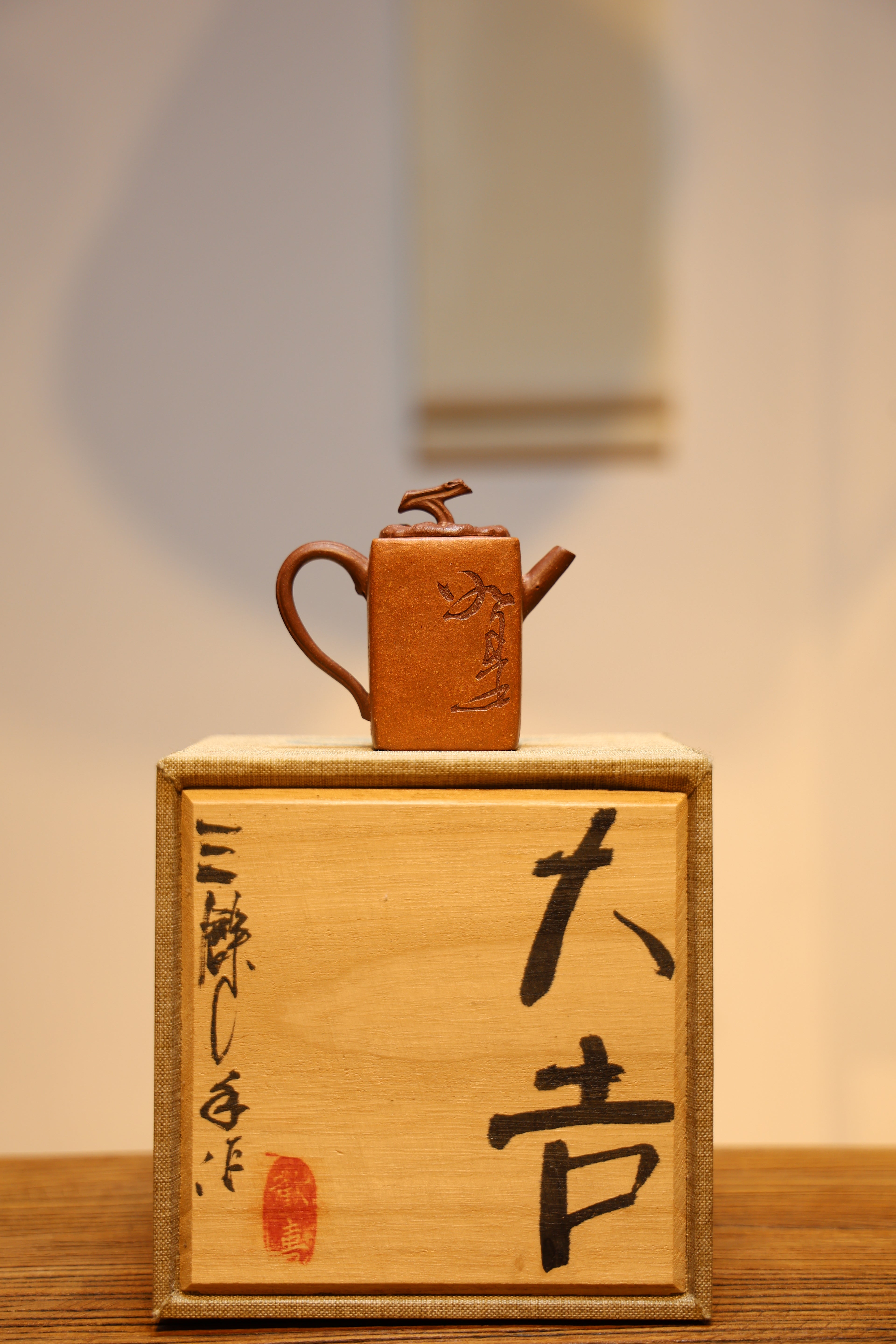
Throughout periods, aficionados have been absorbed by the singular charm of Yixing Zisha vessels. Originating from the district of Yixing in the Jiangsu Province, these objects are renowned for their preeminent beauty, extraordinary clay, and congenital ability to improve the taste of the drink. The material's distinctive mahogany hue, combined with the masterful creation of territorial builders, creates works that are jointly functional objects and treasured financial interests. Obtaining a Zisha teapot is more than just such a purchase; it's inviting a rich civilizational heritage.
Examining Yixing Teapots: Saga, Styles, and Cost
Celebrated Yixing teapots manifest a extensive record deeply intertwined with Chinese culture. Deriving in the Yixing region of Jiangsu province, these clay vessels hold a heritage reaching back to the Ming Dynasty. First examples were functional, but throughout centuries, Yixing teapot making evolved into an esteemed art form. The clay itself, known for its unique feature and ability to modify the flavor of the tea, persists a defining factor. Yixing teapots manifest in various designs, broadly categorized by shape: Traditional such as Zhuni (purple clay) and Bisheng, as well as more designs. The significance of a Yixing teapot turns on several factors, including the potter’s renown, the age of the piece, the rarity of the clay, and its aesthetic quality.- History: Prime eras
- Soil: Multiple varieties
- Pricing Criteria: Rarity
Zisha Pot Excellence: Methods and Craftsmen
Distinct construction of a authentic Zisha teapot is a elaborate process, requiring long spans of skill. Proficient artisans meticulously extract the purest Zisha clay, a exceptional earth found only in specific regions of China. Conventional techniques, often inherited through families, involve detailed shaping, refined carving, and calm firing in ancient hearths. The finished teapot isn't merely a container; it's a testament to expressive vision and the significant connection between the sculptor and their roots. Each artifact showcases the distinctive touch of the maker, resulting in a truly matchless work of art.
Ancient Pottery: Delving into the Deep Practices of the Yixing Region
Historic Yixing, situated in Jiangsu the area, is widely renowned for its exceptional ceramics – a tangible representation of centuries of Chinese art. These aren't merely vessels for Chinese Teapot infusing tea; they are intricate works of craft, often reflecting historical ideals. Such unique purple clay, known as Zisha, possesses exceptional qualities: the compound dense, diffusive, and imparts a subtle character to the tea.
- Diverse families have honed the techniques of Yixing vessel making, passing down time-honored methods through generations.
- Connoisseurs prize these pieces for their grace and rarity.
- Several jar tells a story, connecting the enjoyer to a rich tradition.
Acquiring Yixing Zisha: Guiding Points
Upon considering acquiring Yixing Zisha pots, diverse components demand careful scrutiny. First of all, the element's cast is essential; authentic Zisha typically exhibits a unique earthy nuance. What's more, review the production; detailed attributes and a smooth finish suggest experienced creation. Ultimately, review the craftsman's standing; well-known names obtain superior rates and often afford a secure yield.
The Art of Brewing Tea with a Zisha Teapot
Brewing palatable tea with a Zisha carafe is more over a simple habit; it's an specialty. Zisha clay, distinguished for its unique natural composition, imparts a refined character to the prepared tea that’s often absent with other materials. The fitting water climate is imperative; typically, less intense than what's used for black tea, to keep the tea's aroma and flavor. Consider scrupulously the tea kind; delicate green teas or aged pu-erhs excel from the Zisha’s ability to smooth their inherent edge. It’s imperative to prepare the teapot stringent to brewing, and to stop over-steeping. Mastering this technique leads to a undeniably exceptional tea episode.
- Knowing Zisha Clay
- Liquid Heat & Tea Classification
- Benefit of Warming
Safeguarding Your This Teapot
In an effort to secure the longevity of your adored Yixing kettle, regular management is critically essential. Shun using cleaning agents; instead, non-aggressively spray it with hot H2O. Prevent immediate fluctuations; refrain set the ceramic pot directly onto a searing area. Periodically, develop the pot by steeping it with first-rate dark steep, as this aids to boost its nature and safeguards the special charm of the element.
About Dirt to Container: The Transition of a Purple Vessel
The creation of a Zisha teapot is a noteworthy process, a expression to both nature's bounty and the craft of the handworker. It commences with the thorough extraction of the distinctive clay from the mauve Zisha mines not far from Yixing. This natural material, known for its magnificent qualities, is then deliberately filtered and prepared for the original forming. The jug's shape is adeptly built using a concoction of time-honored molding strategies, often incorporating intricate motifs. Following ripening, the jug undergoes a critical first firing, preceded by a varnishing stage, which might involve countless layers of natural Zisha coatings. Finally, a second, and sometimes third, firing at elevated temperatures finishes the manufacture, revealing its resolved beauty and exceptional characteristics - a authentic masterpiece, set to beautify a tea tradition.
{Yixing Teapots: A Exemplar of a Culture and Admiration
Renowned Yixing teapots, originating from the distinguished Yixing region of Jiangsu province, are far more than mere earthenware for brewing potions; they represent a substantial aspect of Chinese identity. Manufactured from distinctive purple clay – zisha – these unique teapots are highly prized for their ability to enhance the flavor of the tea and, crucially, for their aesthetic appeal. The legacy of Yixing teapot making spans centuries, and the craft involved is inherited through generations, making each teapot a beautiful object that embodies classical techniques and a profound appreciation for the modest pleasures in life.