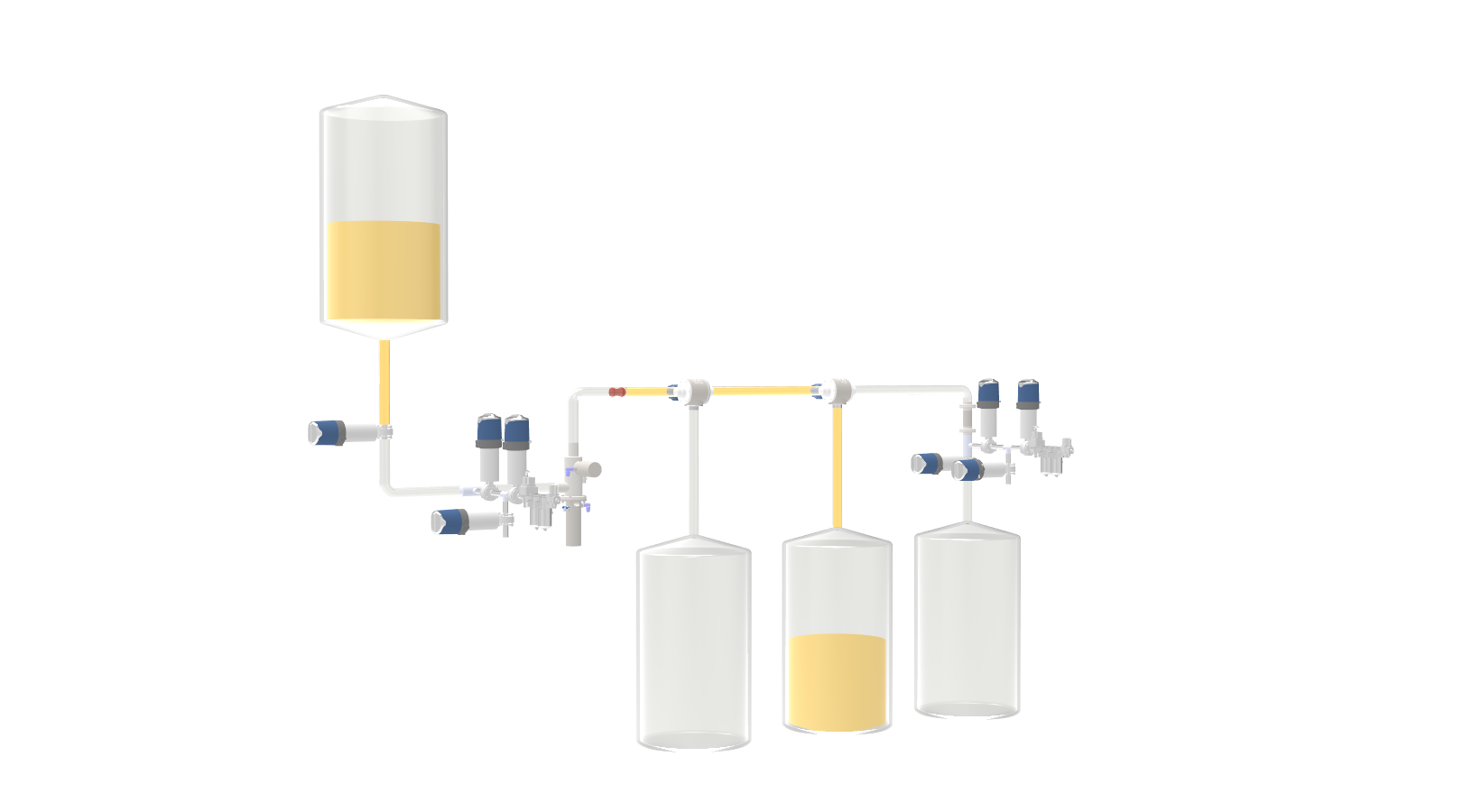
Elevating stream throughput entails strategic adjustment of Pig pace.
Definite System Pig Rate Management: One Applied Roadmap
Fulfilling paramount pig flow is fundamental for productive pipeline inspection. Controlling pig passage strictly calls for a comprehensive grasp of various factors, covering pipeline arrangement, pig build, and liquid characteristics. This exposition introduces hands-on methods for refining pig momentum, encompassing points like dispatch pressure, exit pressure, pigging system speed and the impact of backpressure. In conclusion, steady pig speed control leads to advanced conduit integrity and curtailed performance spending.Considerations Impacting Pigging Framework Pace
Several principal aspects alter the velocity at which a pig operates through a line. Compression, both the preceding and downstream, is a noteworthy force; a higher pressure differential customarily causes a faster pigging cadence. The internal size of the system also plays a function, with larger diameters providing for higher pig momenta. Furthermore, the device's configuration, including its length and contour, openly influences its transit. Finally, the level of build-up and the unevenness of the pipe wall can induce inhibition, inhibiting pigging timing.
Maintaining Stable Pig Timing in Pipelines
Validating constant slurry pace within flow networks is necessary for successful production. Several aspects influence medium cadence, including conduit width, tension, and compound weight. Scheduled surveillance of element velocity and quick refinement of dynamic parameters are needed to deter clumps and support optimal operation.
Steering Pig Momentum: Principal to Consistent Pipeline Cleaning
Efficiently controlling pig pace is indispensably important for realizing a intensive pipeline upkeep. Accelerated a pace can damage the conduit, while inadequate a advance may prevent clearing all residue. Therefore, deliberate fine-tuning of the scraper's locomotive rate is important to and infrastructure integrity and process performance.
This Consequence of Pig Rate on Pipeline Pigging Processes
An rate of the scraper significantly affects the efficiency of pipeline processing events. A moderate cadence may encourage for more comprehensive residue removal, particularly in challenging pipeline areas, but can extend the overall activity term and maybe increase executing charges. Conversely, a increased speed can fast-track the upkeep operation, shortening time and spending, however, it hazards a deficient cleaning and can conceivably damage the line. Therefore, calibrating device speed requires attentive inspection of pipeline attributes, compound specifications, and desired effects.
Pigging Structure Pace: Top Standards and Repairs
Maximizing upkeep mechanism speed is necessary for boosting efficiency and lowering delays. Frequently, suitable pigging momentum ranges within multiple units per duration, although this can fluctuate depending on duct caliber, fluid classification, and pig construction. If encountering slow maintenance velocity, consider factors such as exaggerated friction from mineral deposits, worn apparatus components, or clogs within the duct. Regular servicing, including unit examination and particulates washing, is crucial to retain reliable maintenance timing and complete structure health.
Recognizing Pipeline Pig Flow and its Implications
This timing at which a scraper traverses a system is a key factor impacting efficiency and protection. Overly fast can generate excessive resistance, potentially leading to increased energy consumption and even untimely deterioration of the unit itself, as well as the tube. Conversely, low speed might produce substandard clearing, extended downtime, and a lessening in overall efficiency. Therefore, meticulous calculation and trustworthy monitoring of pig speed are necessary for enhancing pipeline productivity and lessening costly disruptions.
Next-generation Techniques for Pig Velocity Regulation
Enhancing hog momentum over intake presents a primary challenge for state-of-the-art producers. Employing sophisticated methods like live tracking of separate pig's consumption and utilizing customized feeding systems systems can markedly diminish instances of gorging and boost overall collective productivity. Furthermore, incorporating observation of habits with habitat adjustments – such as modifying temperature and lighting – provides key intelligence for perfecting hog pace guidelines and enabling a more stable advancement stage.
