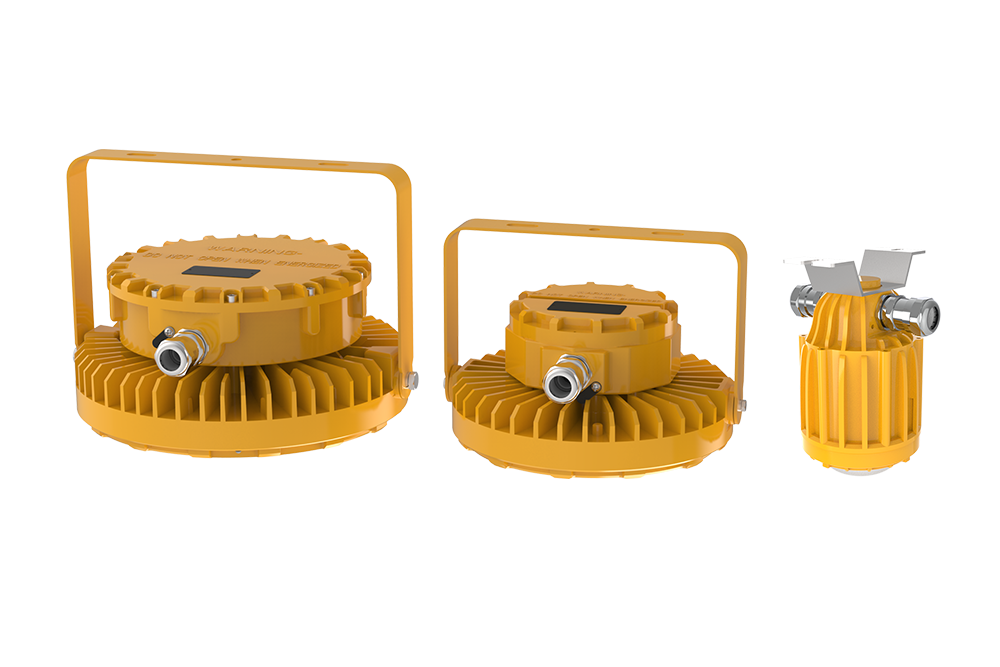
Opening the present treatise considers various approaches relating to detonation-proof luminaires within engineering areas.
Functioning cautiously through challenging regions including processing sites requires designed tools intended to reduce possible events. Blast-resistant power fixtures are indispensable modules in similar grounds, crafted to absorb embers, flammable emissions, and explosive zones. These tools are not inherently harmless; instead they are manufactured to trap any inside flash or flare and prevent it from starting a expanded blast in the proximate site. This manual supplies primary details about explosion-proof fixtures, their utilizations, and safety factors for adopting them suitably.
Comprehending Explosion Proof Lighting Standards
Dealing with relevant hazloc lighting standards can be complicated, especially inside workplaces dealing with hazardous locations. These stipulations – often grounded on official bodies specifically the National Electrical System (NEC), ATEX (Europe), and IEC – outline exact design and implementation techniques to mitigate the vulnerability of ignition from lighting devices. Understanding aforementioned standards is paramount for ensuring laborer safety and compliance with regulatory directives.
LED Hazloc Certified Luminaires: Productivity & Reliability
Electroluminescent ignition-proof lighting units exhibit a considerable enhancement over classic vapor sources in areas where flammable vapors are present. These durable mechanisms purely yield excellent energy management, producing diminished maintenance charges, but significantly secure a greater level of defense by halting the possibility of flaring caused by electrical sparks}.
Explosion Hardened Combustible Area Dangerous Proof Spark Glow Flash Resistant} Lights : A Full Manual
Explosion Rated Hazardous Setting Unsafe Proof} Luminaires are customarily produced lighting devices built to operate safely within probabilistically flammable atmospheres. These hardy fixtures avoid sparks, thermal flux and electric discharges from producing a major explosion. They typically incorporate cutting-edge designs, featuring including enclosed housings and basically safe current-based components to secure safety regulations in domains like petroleum & flammable gas processing, fabrication plants, ore processing operations, and medication production.
Electing the Right Spark-Proof Illumination for Treacherous Locations
Assessing the correct blast-proof systems for a particular exclusion zone necessitates precise consideration. Components such as the label (e.g., Category I, II, or III and sectors 0) should be rigorously verified to confirm agreement with consistent risk directives. Excluding the site's fundamental liabilities, think about surrounding features, including degrees and wetness, to discover a robust and harmless approach. Always check a experienced technician to lead your decision-making.
Sites Where Are Needed Explosion Proof Lights?
Explosion-proof commonly known as intrinsically safe|hazardous location|Class-rated} lights are strictly needed in various areas where ignitable emissions or pollutants could can create a dangerous atmosphere. This typically includes petroleum production plants, varnish application areas, seed handling facilities, and sanitary treatment zones. Regulations, such as those from ANSI and ANSI, order their application in these facilities to avert the risk of ignitable events and keep operational effectiveness.
Upsides of Crystal-Based in Hazloc Systems
Embracing Crystal-Based technology for flammability rated units offers a important variety of gains. First, luminescent sources boast a markedly longer duration compared to traditional halogen emitters, reducing overhaul expenditures and stoppages. They are also fundamentally safer, producing reduced warmth which diminishes the hazard of fire outbreaks in risky atmospheres. Moreover, semiconductor devices are markedly energy saving, leading to minimized power outlays and a cut down carbon footprint. Finally, the solid structure of Photon Emitting appliances absorbs the rigorous environments typical of flammability-rated areas.
- Enhanced Operating Life
- Curtailed Repair Costs
- Elevated Protection
- Abated Electrical Usage
- Strengthened Robustness
Conserving and Assessing Explosion Proof Lighting Systems
Regular care and detailed scrutiny of hazardous location lighting arrangements are vitally indispensable for securing risk management and reducing potential liabilities. This requires a recurrent review of all elements, such as light fittings, tubing, electric cables, and connected terminal boxes. Specifically, inspect for chemical decay, mechanical defects, and effective earthing. In addition, guarantee that each signs are legible and that the illumination sources conforms to applicable codes.
- Implement visual checks.
- Examine current links.
- Certify ignition safety.
Next Generation of Explosion Proof Lighting Technology
Changing landscape of explosion-proof lighting technology offers a major shift from traditional designs. Future methods will more and more incorporate intelligent capabilities, enabling remote monitoring, diagnostics, and adjustable control. We foresee a increasing adoption of electroluminescent technology, not only for its basic energy efficiency, but also its competence to facilitate installed sensors for gauging hazardous conditions. Moreover, materials study is leading innovations in resilient casing materials, allowing explosion proof lighting for reduced weight and improved designs, while retaining the mandatory levels of risk mitigation.
- Augmented battery life for transportable applications.
- Blending with foreseeing maintenance structures.
- Design of self-maintaining lens methodologies.